English| EUR
Suggested for you
More currencies
Choose a language
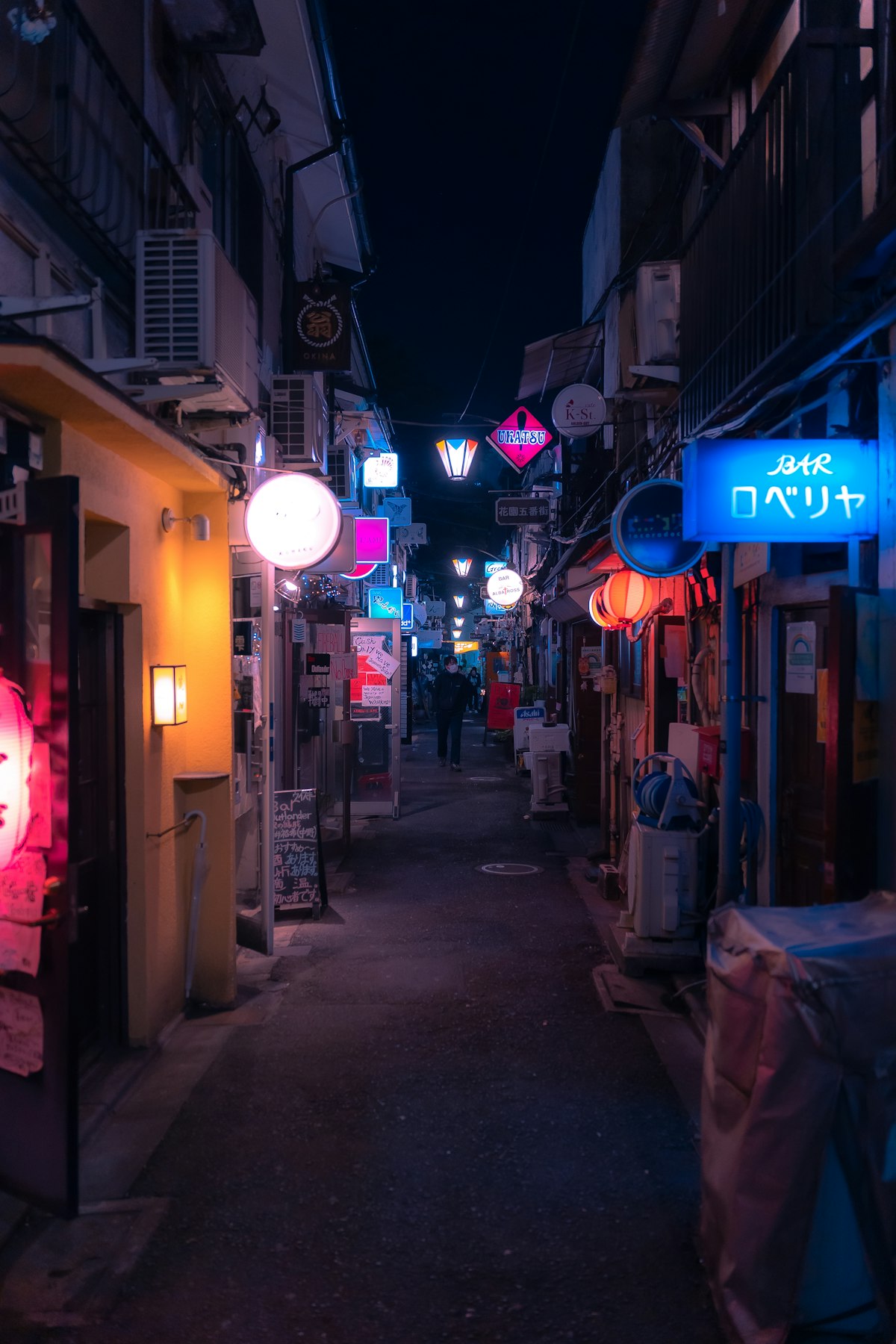
Golden Gai sits at 1-1-6 Kabukicho, six narrow lanes of roughly 200 tiny bars pressed against Tokyo's most notorious nightlife district. The reputation of the surrounding streets travels further than the reality of these particular alleys. This is shinjuku dangerous guide sets out what visitors genuinely encounter here after dark, and what belongs to rumour.
Quick answer
No. Violent crime against visitors is rare. The realistic risks are commercial rather than physical: aggressive touts on the wider Kabukicho streets, and unclear charges inside a handful of bars.
Golden Gai survived because of a technicality. When Tokyo's post-war grey markets were cleared and the 1958 Anti-Prostitution Law shut the area's teahouses, these six lanes were rebuilt as licensed drinking establishments, on plots so small that redevelopers never found them worth the trouble. The buildings are two storeys of timber and corrugated panel, some bars seating five people, and they have outlasted every skyscraper that went up around them. That physical intimacy is the reason the safety question comes up at all: visitors arriving from Shinjuku Station walk through the neon canyon of Kabukicho to reach them, and the two places get conflated. So, is shinjuku dangerous in the way the internet suggests? The concern is almost always inherited from Kabukicho's reputation as Japan's densest entertainment quarter, home to host clubs, love hotels and a long-documented history of organised crime. Tokyo Metropolitan Police figures consistently place violent street crime in the ward far below that of comparable Western nightlife districts, and Golden Gai itself functions as a village of regulars where bar owners know each other and the same faces work the same counters for decades. What visitors actually report is not menace but friction: a language barrier at a counter with no English menu, a cover charge explained after the first drink, a tout on Yasukuni-dori promising a bar that does not exist. That distinction matters for how a visitor plans the evening. Arrive in the earlier part of the window, between roughly 19:00 and midnight, and the lanes are lit, populated and unhurried, with owners willing to explain their charges before pouring. Later, as the last trains stop and the crowd thickens toward the small hours, the calculation changes less because of danger than because tired travellers make poorer decisions about which door to open. Reading a bar's posted terms, carrying cash, and knowing that some counters are members-only rather than hostile solves most of what people worry about. Anyone still weighing whether Shinjuku nightlife is safe for a first visit will find that a guided crawl removes the guesswork entirely, since a host handles the introductions and the bill. The short version: is shinjuku dangerous is the wrong frame for these alleys. Golden Gai asks for attentiveness, not fear, and rewards it with the closest thing Tokyo has to a preserved Showa-era drinking street.
“What visitors report in Golden Gai is not menace but friction: a language barrier, an unexplained cover charge, a tout promising a bar that does not exist.”
Kabukicho is often associated with intense nightlife, leading to misconceptions about the safety of the nearby Golden Gai district. In reality, this area remains a controlled, small-scale environment suitable for visitors.
MythGolden Gai is a dangerous part of the Kabukicho red-light district.
FactThe area is a compact, well-monitored neighborhood primarily consisting of small, independent bars frequented by locals and tourists alike.
MythThe streets are lawless and unsafe for tourists at night.
FactTokyo maintains high general safety standards, and Golden Gai operates as a dense, manageable community where social atmosphere is the primary focus.
MythVisitors are frequently targeted by criminals in Golden Gai.
FactWhile travelers should remain aware of their surroundings as in any major city, the intimate nature of these bars makes them a secure environment for social drinking.
Golden Gai's bars seat six to ten people, so behavior that passes unnoticed elsewhere is immediately visible here. Most trouble visitors report comes from ignoring house rules or following street touts rather than from the district itself.
Access to the Shinjuku Golden Gai district is free of charge for all visitors. Individual costs are determined solely by the policies of each independent establishment.
Everything you need to know about is shinjuku dangerous
Shinjuku is generally considered safe for travelers, provided you remain aware of your surroundings in crowded nightlife areas. While the area is busy, millions of visitors explore its narrow alleys annually without incident. When considering if is shinjuku dangerous, standard urban precautions apply to ensure a smooth experience.
Golden Gai is a tight-knit community of small venues where respect for house rules is essential. Keep your belongings secure and avoid touts offering deals on the street to maintain safety. It is a welcoming district, but understanding local etiquette helps travelers avoid common misunderstandings.
While some visitors wonder if is shinjuku dangerous compared to quieter parts of Tokyo, it remains a bustling hub with high police presence. Serious crime is rare, and most issues are limited to minor disputes or tourist traps. Staying in well-lit, public areas remains the best practice for late-night visitors.
Golden Gai is primarily an adult-oriented nightlife destination focused on tiny, intimate bars. Because many venues have steep stairs and very limited seating, it is not considered suitable for children. Most establishments are strictly for adults looking to enjoy a drink in a quiet, historical setting.
To navigate safely, ignore strangers who approach you with offers for entertainment or drink specials. These individuals are often unlicensed and can lead you to overpriced establishments. Stick to the venues located within the Golden Gai district and rely on official recommendations or reputable tours.
The district operates until 05:00, but public transport typically stops earlier, which can complicate departures. If you find yourself asking if is shinjuku dangerous during these hours, consider planning your transport ahead of time. Being prepared for your trip home ensures a stress-free conclusion to your evening.
Joining a guided Shinjuku bar hopping tour provides local insight and navigation assistance through the complex alleyways. Professional guides help you identify welcoming, reputable establishments while avoiding potential pitfalls. This organized approach can significantly reduce the anxiety some feel regarding urban nightlife navigation.
Izakaya and Golden Gai Tour
Read more Tickets & toursShinjuku Night Walking Tour
Read more Tickets & toursAll You Can Drink Shinjuku Tour
Read more GuideThings to do in Shinjuku
Read more Tickets & toursGolden Gai Bar Hopping Tour
Read more Tickets & toursShinjuku Bar Crawl
Read more