2 hr
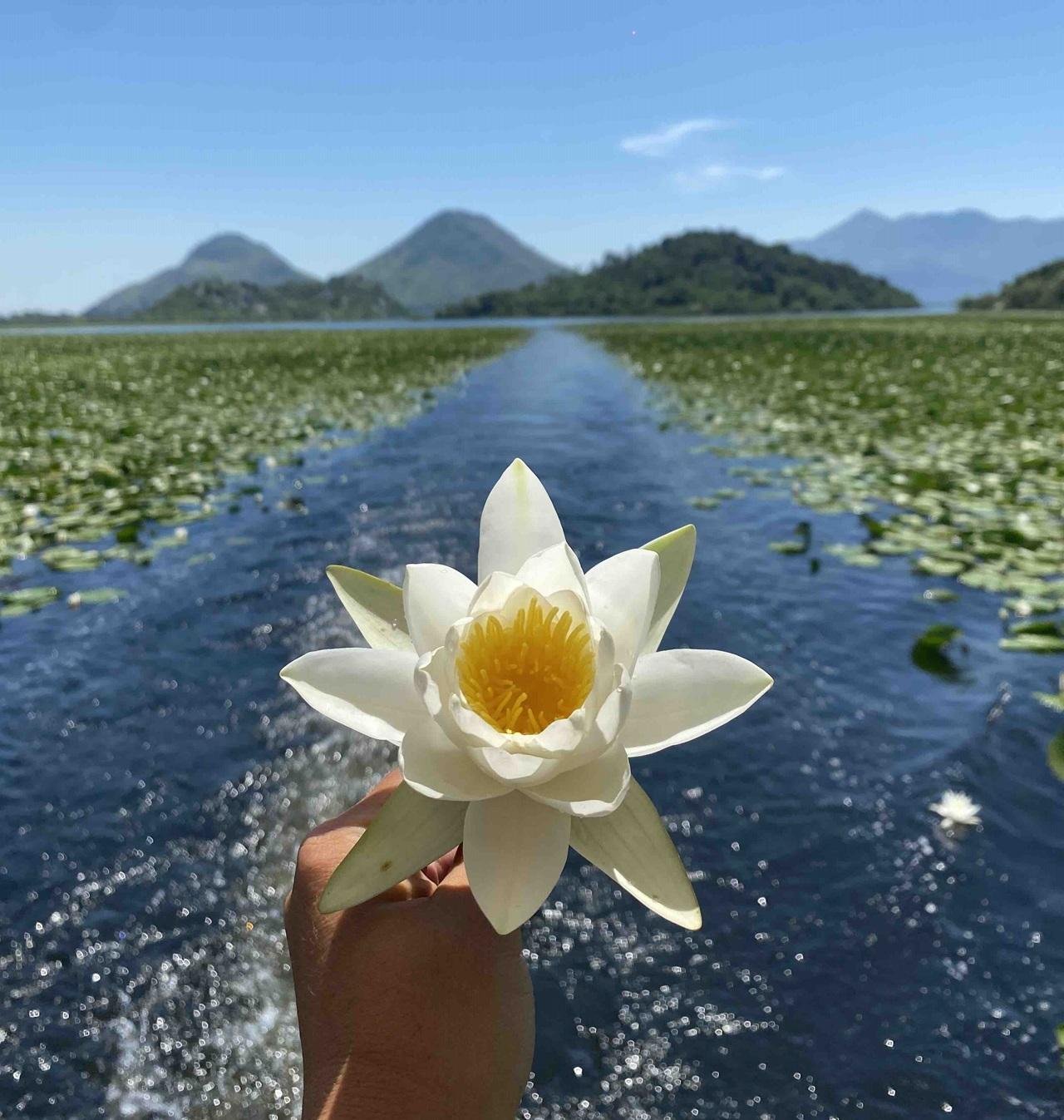
Lake Skadar Guided Boat Tour on Traditional Wooden Vessel
Glide through narrow channels, visit ancient fortifications, spot rare birds, and swim in pristine waters.
Reserve
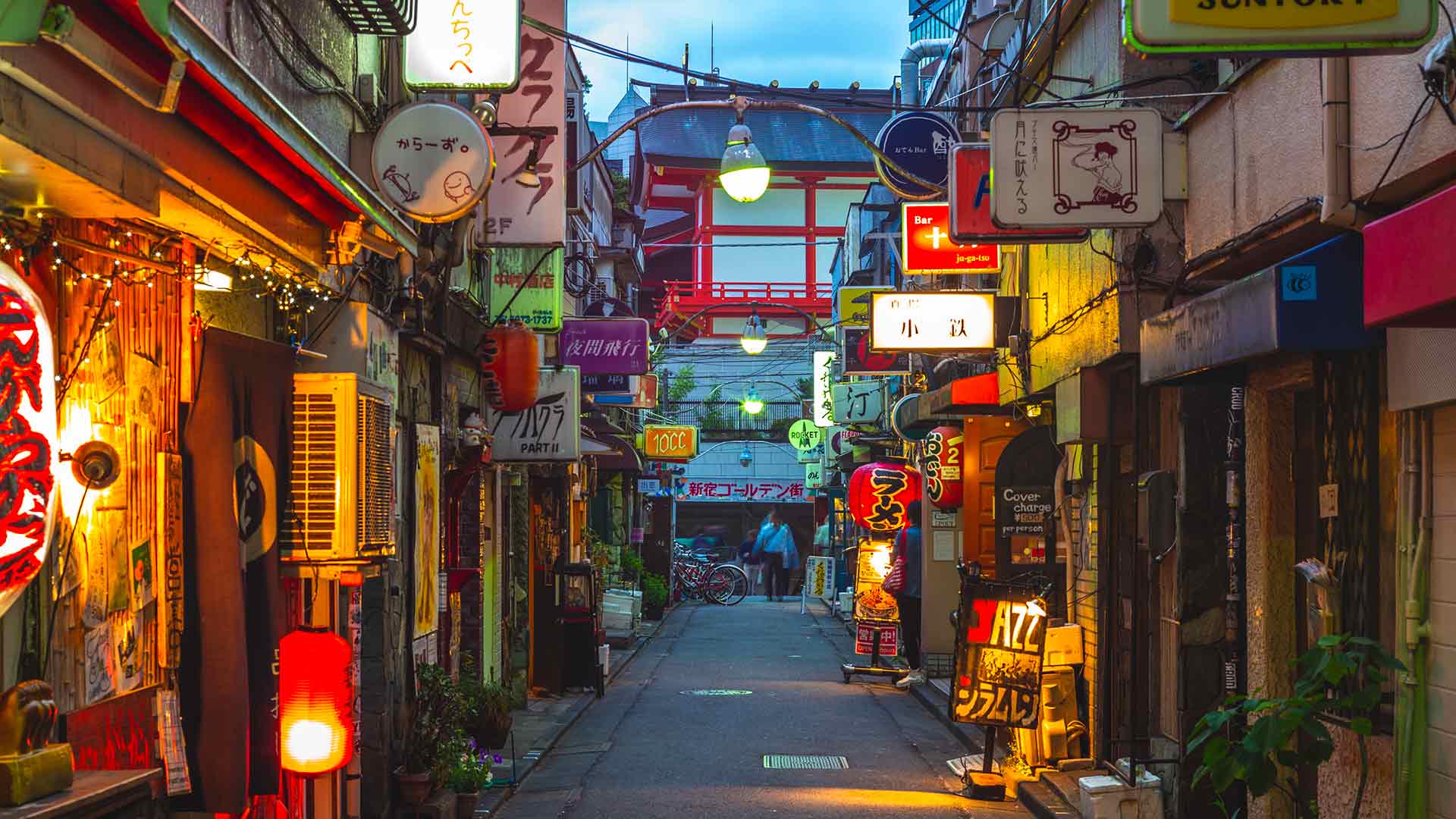
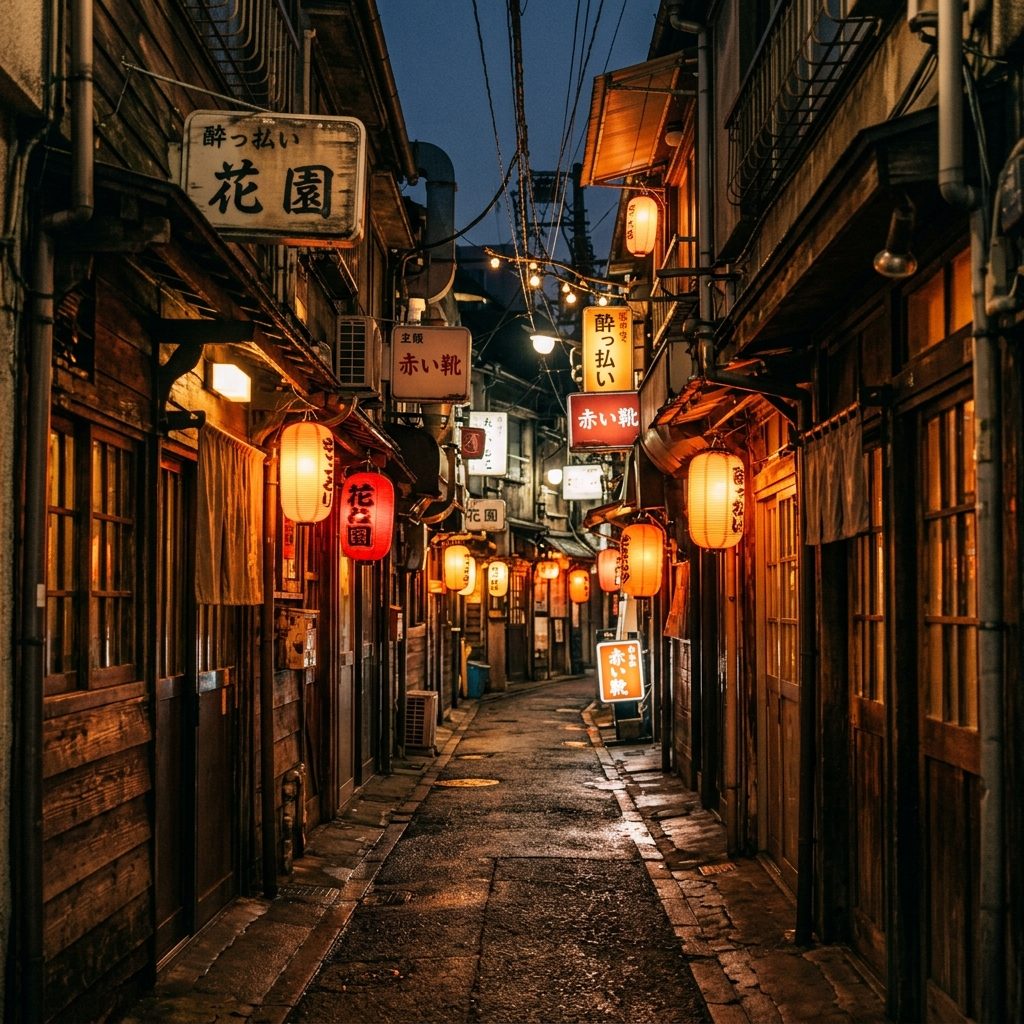
Six alleys of paper lanterns, two hundred doors still open.
Hand-picked by our editors — only the best 9 experiences from 214 reviewed.
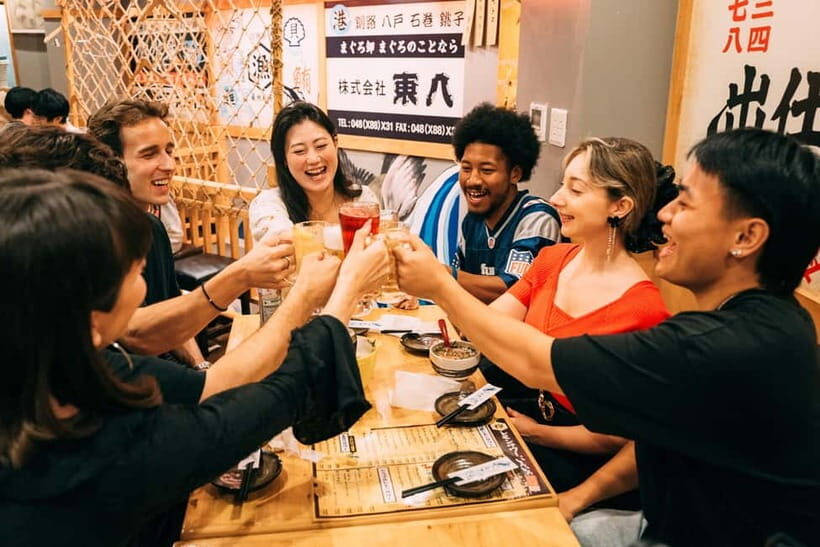
Verified partners for Shinjuku Bar Hopping tours, free cancellation where available, and instant confirmation on every booking.
2 hr
Glide through narrow channels, visit ancient fortifications, spot rare birds, and swim in pristine waters.
Reserve
2 hr
Glide through tranquil channels and open waters on a scenic 2-hour guided boat tour with local drinks
Reserve
1 hr 10 min
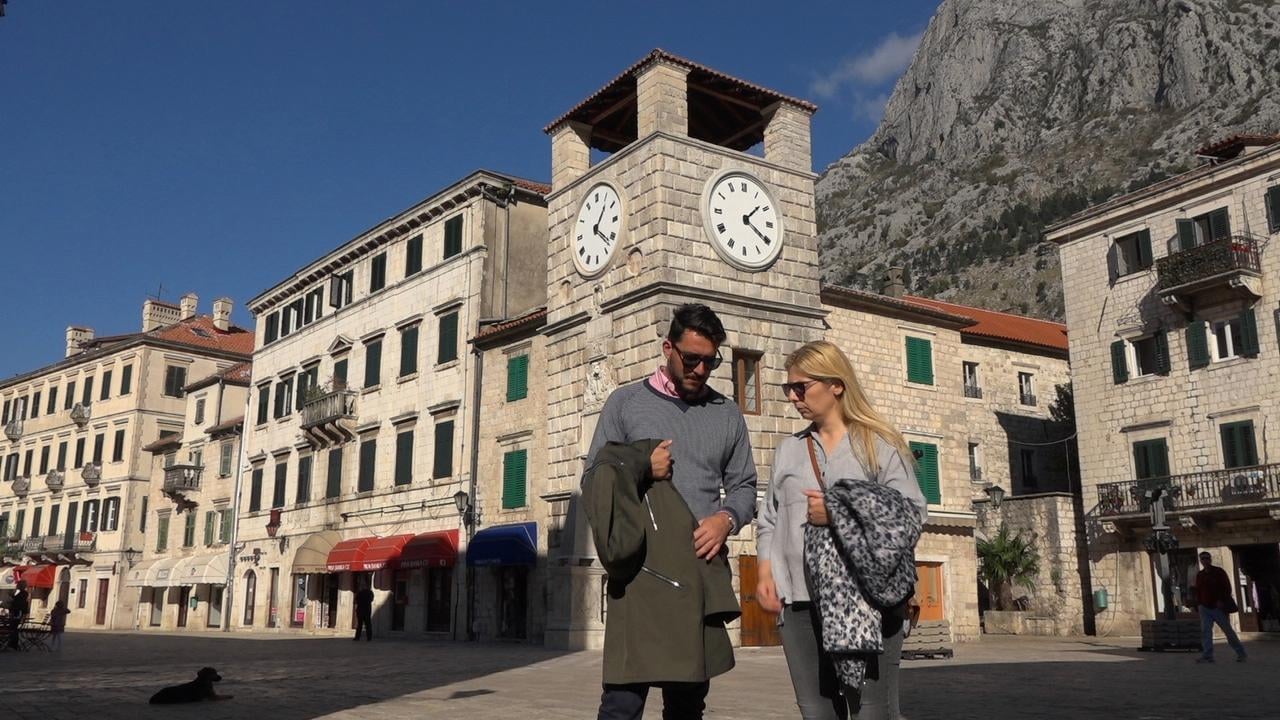
Journey through centuries of Venetian heritage in one of the Adriatic's most beautiful fortified towns
ReservePrices from verified partners. Availability updates in real time at checkout. Free cancellation policies apply where shown.
The landmarks, rooms, and views travelers on Shinjuku Bar Hopping tours remember — all visible on a single visit.
Every Shinjuku Bar Hopping tour side-by-side — duration, what's included, how you redeem.
| Experience | From | Duration | Rating | Guide | Small group | Free cancel. | Price | |
|---|---|---|---|---|---|---|---|---|
|
Standard Entry Most popular
Lake Skadar Guided Boat Tour on Traditional Wooden Vessel
|
— | 2 hr | ★ 4.8 | ✓ | ✓ | ✓ | €22 | Book → |
|
Standard Entry
Skadar Lake Boat Cruise from Virpazar
|
Virpazar | 2 hr | ★ 4.8 | ✓ | ✓ | ✓ | €22 | Book → |
|
Guided Experience
Kotor Old Town Walking Tour
|
— | 1 hr 10 min | ★ 4.8 | ✓ | ✓ | ✓ | €25 | Book → |
All prices from verified partners. Availability and exact terms confirmed at checkout.
They complement each other, yet most visitors find Shinjuku Golden Gai the more focused choice for nightlife seekers while Omoide Yokocho offers a grittier culinary experience. Deciding between these two iconic Tokyo landmarks depends entirely on whether you prefer craft cocktails or open-flame cooking.
| Feature | Top pick Golden Gai | Omoide Yokocho |
|---|---|---|
Atmosphere |
Lantern-lit alleys, intimate nightlife | Smoky, retro yakitori stalls |
Primary Focus |
Small-scale bars and spirits | Grilled skewers and casual dining |
Space Constraints |
Extremely compact, counter-only seating | Tight seating, crowded walkways |
Typical Crowd |
International travelers, local regulars | Tourists, after-work salarymen |
Best Time to Visit |
19:00–22:00 | 19:00–22:00 |
Price Range |
500–1500 JPY cover plus drinks | Budget-friendly, roughly 2000–4000 JPY total |
| See tickets → |
Verdict: Choose Golden Gai for your shinjuku bar hopping tour if you prioritize an extensive selection of tiny themed bars, or visit Omoide Yokocho if your priority is accessing savory yakitori in a nostalgic setting.
Choose your ticket, select your date, and reserve in under two minutes. Secure checkout handled by our verified partner.
Instant confirmation by email, with a mobile voucher you can save offline. No printing, no queuing at a collection desk.
Arrive at the entrance, show your voucher on your phone, and walk in. Most tickets include priority or skip-the-line access.
Best time to go, insider tips, nearby landmarks, and the cancellation fine print — flip through to skim what matters to you.
How crowds, weather, and events shift across the year.
Mild temperatures make walking between bars pleasant, especially in April.
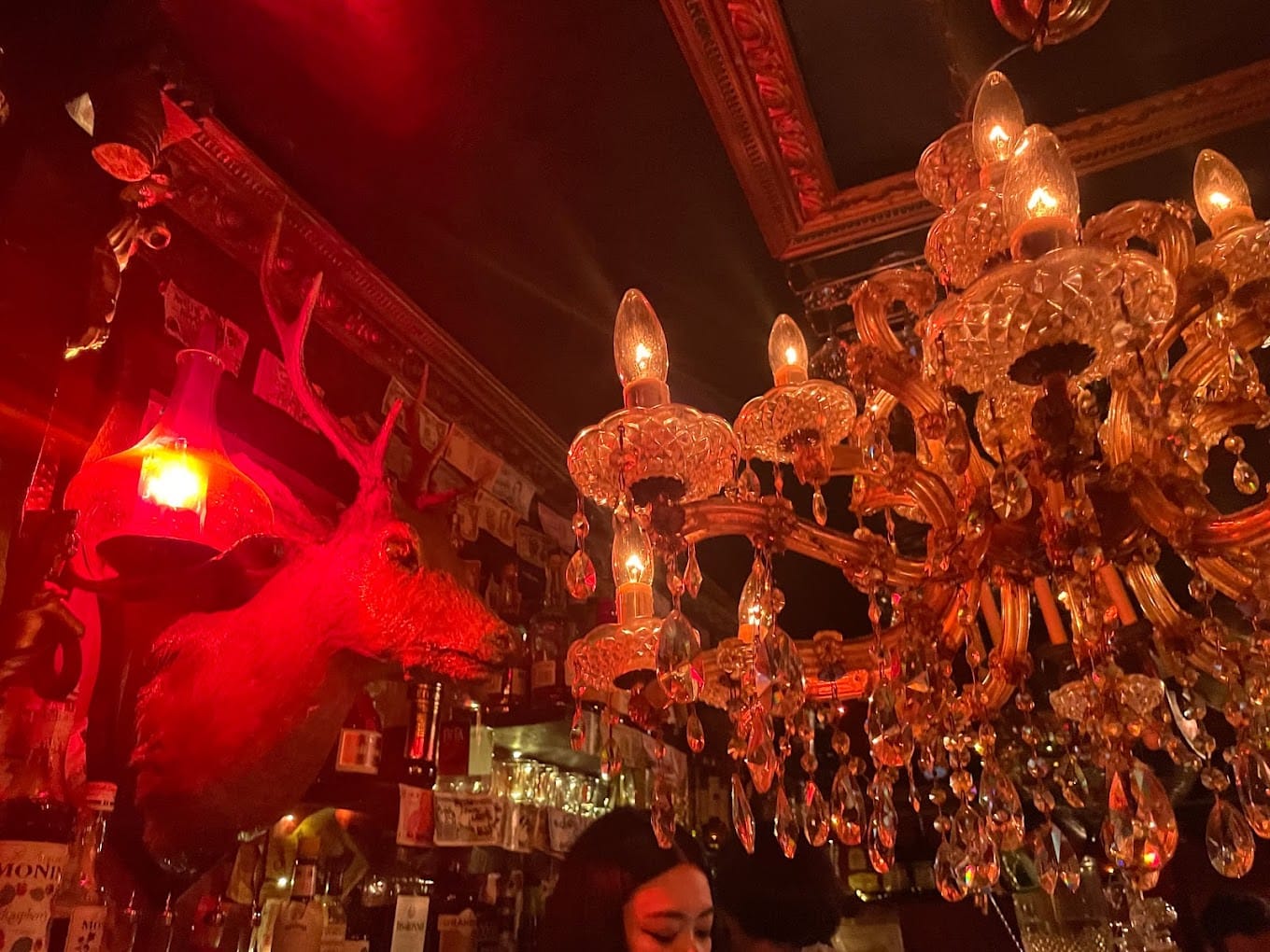
Warm evenings perfect for the vibrant, lantern-lit atmosphere of the district.
Comfortable weather ideal for long nights of exploring various themed bars.
Cooler nights enhance the cozy, intimate feel of the small, heated interiors.
Small details that turn a good visit into a great one.
Look for signs that explicitly state 'tourists welcome' or display a clear menu in English.
Most bars in the district do not accept credit cards, so ensure you have sufficient JPY on hand.
Small groups of 1-3 people are much easier to accommodate in the tiny, 5-10 seat bars.
Remember that many bars are local institutions; be polite and open to interacting with patrons.
Always ask about the cover charge upon entering; it is a standard fee for seating in this area.
Non-bookable sights within a short walk — free to visit, easy to pair.
A historic Shinto shrine that serves as a quiet contrast to the nightlife district.
A famous narrow alleyway district known for grilled yakitori and authentic dining.
The bustling main street of Tokyo's most famous entertainment district.
A spacious, beautiful garden perfect for a peaceful daytime stroll before your evening tour.
Flexible, no hidden fees.
As Shinjuku Golden Gai is a public district, there is no centralized booking or cancellation policy for the area itself. Individual guided shinjuku bar hopping tour services generally offer full refunds for cancellations made 24 hours in advance.
Hand-picked options within walking distance — pick a district for vibe, or a specific hotel for convenience.
Wide selection of hotels ranging from luxury high-rises to budget hostels.
Famous for its iconic Godzilla head overlooking the city skyline.
Convenient and modern accommodation located in the heart of the area.
Golden Gai occupies roughly 2,000 square metres and holds close to 280 bars — a density of drinking rooms unmatched anywhere in Japan. Many seat six people. Some seat four.
The district began as an illegal market in the ruins of 1945, then settled into its present form after the 1958 Anti-Prostitution Law pushed its operators toward licensed drink service. The wooden two-storey shacks were built cheaply and fast, sharing walls, sharing stairwells, wired through a tangle of overhead cables. Bulldozers were expected repeatedly through the bubble years of the late 1980s, when land speculators circled Kabukicho with cash offers. Owners refused. A voluntary preservation association held the block together, and the alleys survived intact into an era that now values them precisely for what developers dismissed: scale, patina, and the intimacy of a bar counter you cannot lean back from. This is why a shinjuku bar hopping tour reads differently from a standard pub crawl — the architecture itself enforces conversation.
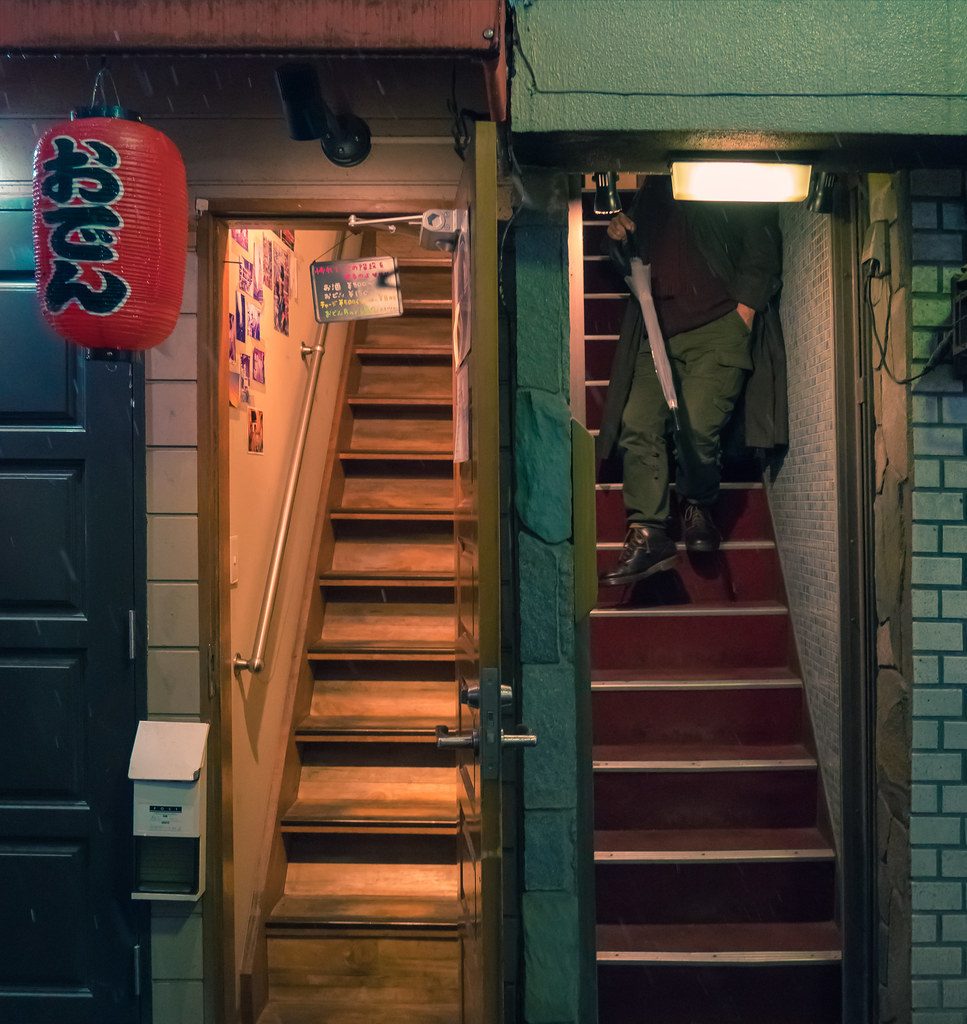
Six narrow lanes run parallel, linked by passages barely a shoulder's width across. Frontages are often less than three metres. Each bar carries a theme set by its master or mama-san: 1970s punk vinyl, French chanson, flamenco, horror film posters, jazz on reel-to-reel. Signage is hand-painted, stacked vertically, layered with decades of stickers. Above the ground floor, second storeys are reached by ladder-steep staircases that visitors on a shinjuku golden gai bar hopping tour learn to climb sideways. Hanazono Shrine sits at the eastern edge, its vermilion torii marking the boundary between shrine grounds and the drinking quarter.
The alleys have entered global vocabulary through film, photography, and travel forums — a shinjuku bar hopping tour reddit thread runs to hundreds of comments on etiquette alone. Guided formats now range from the compact shinjuku bar crawl tour to longer routes such as the shinjuku izakaya and golden gai bar hopping tour, which pairs the wooden alleys with the smoke and skewers of nearby izakaya streets. Guides matter here for a practical reason: many establishments post Japanese-only menus, operate strict regular-customer policies, or levy a seat charge of 500–1500 JPY that first-time visitors misread as a scam. Entry to the district itself costs 0 JPY. The doors open at 19:00 and the last of them close at 05:00.
"Bulldozers were expected repeatedly through the bubble years, and the owners simply refused to sell."
Photography is permitted in the alleys, but always ask permission before photographing inside bars during a shinjuku bar hopping tour.
You do not need to speak Japanese as many bars now welcome English-speaking visitors and have English menus.
Budget for a cover charge of 500-1500 JPY per bar plus 500-1500 JPY per drink during your shinjuku bar hopping tour.
Bring sufficient cash in JPY, a translation app, and a friendly attitude for the best experience.
You can easily combine your visit with a trip to nearby Omoide Yokocho or Hanazono Shrine.
Accessibility is limited due to narrow, historic wooden buildings and steep staircases in the district.